INDUSTRIES

Import, Wholesale & Distribution

Scroll to explore

A CLOSER LOOK AT YOUR INDUSTRY

Start with your business.

Importing and wholesaling connect suppliers, stock, transport and customers. Explain what you supply, where responsibility changes and whether you import, manufacture, distribute or apply your own brand.

MAKING THE CONNECTIONS

Look beyond the label

01

Stock at rest and goods in transit

Property insurance and cargo insurance address different locations and stages. Include overseas suppliers, intermediate storage and local deliveries in the discussion, rather than assuming each handover is automatically insured.

02

A product claim and a recall

Third-party injury or damage arising from a supplied product differs from the cost of withdrawing it from sale. Products Liability and Product Recall are separate enquiries; a liability policy is not proof that recall expenses are included.

03

Dependence on suppliers and customers

Unavailable stock can affect trading, while unpaid invoices affect cash flow in another way. Identify those dependencies before discussing Business Interruption, contingent arrangements or Trade Credit. A delay or debt is not automatically insured.

YOUR BUSINESS

Your place in the supply chain

01

Consumer Goods

An importer or wholesaler sits between overseas suppliers and Australian customers. The business may handle its own brand, hold stock in several locations or sell through both shops and online platforms. Product descriptions, intended users, quality checks and traceability are therefore part of the insurance conversation, not just shipping details.

Consider products liability alongside stock, transit and business-property needs. A liability policy should not be assumed to pay every recall, replacement or refund cost. Bring the product range, source countries, sales territories, turnover split and supplier agreements, and identify who bears the risk of loss while goods move between supplier, warehouse and customer.

02

Food Imports & Wholesale

Food import and wholesale operations depend on more than stock arriving on time. Temperature control, shelf life, batch identification and supplier quality can affect whether goods are fit for sale. A single affected batch may be distributed to many customers, making records and a practical response plan especially valuable.

Discuss products liability, stock and cargo exposures, and whether refrigeration or deterioration risks need specific consideration. Contamination, recall costs and ordinary spoilage are not interchangeable insurance concepts. Prepare product types, storage temperatures, cold-chain arrangements, traceability procedures and delivery terms so exclusions, selected sections and responsibilities can be reviewed against the actual operation.

03

Equipment & Parts

Equipment and parts businesses may do more than import and resell. Selecting a component, modifying a machine, recommending compatibility or providing installation support can change the nature of the work. The consequences of a faulty part may also depend on how customers use it and whether it enters a larger production system.

Describe the full service chain, including assembly, testing, installation, servicing and technical advice. Stock and transit cover address different questions from products liability or professional indemnity. Provide product specifications, intended applications, customer industries and contract terms; warranties, performance guarantees and the cost of replacing your own defective product require particular care when reviewing policy scope.

WHAT TO KEEP IN VIEW

The practical questions

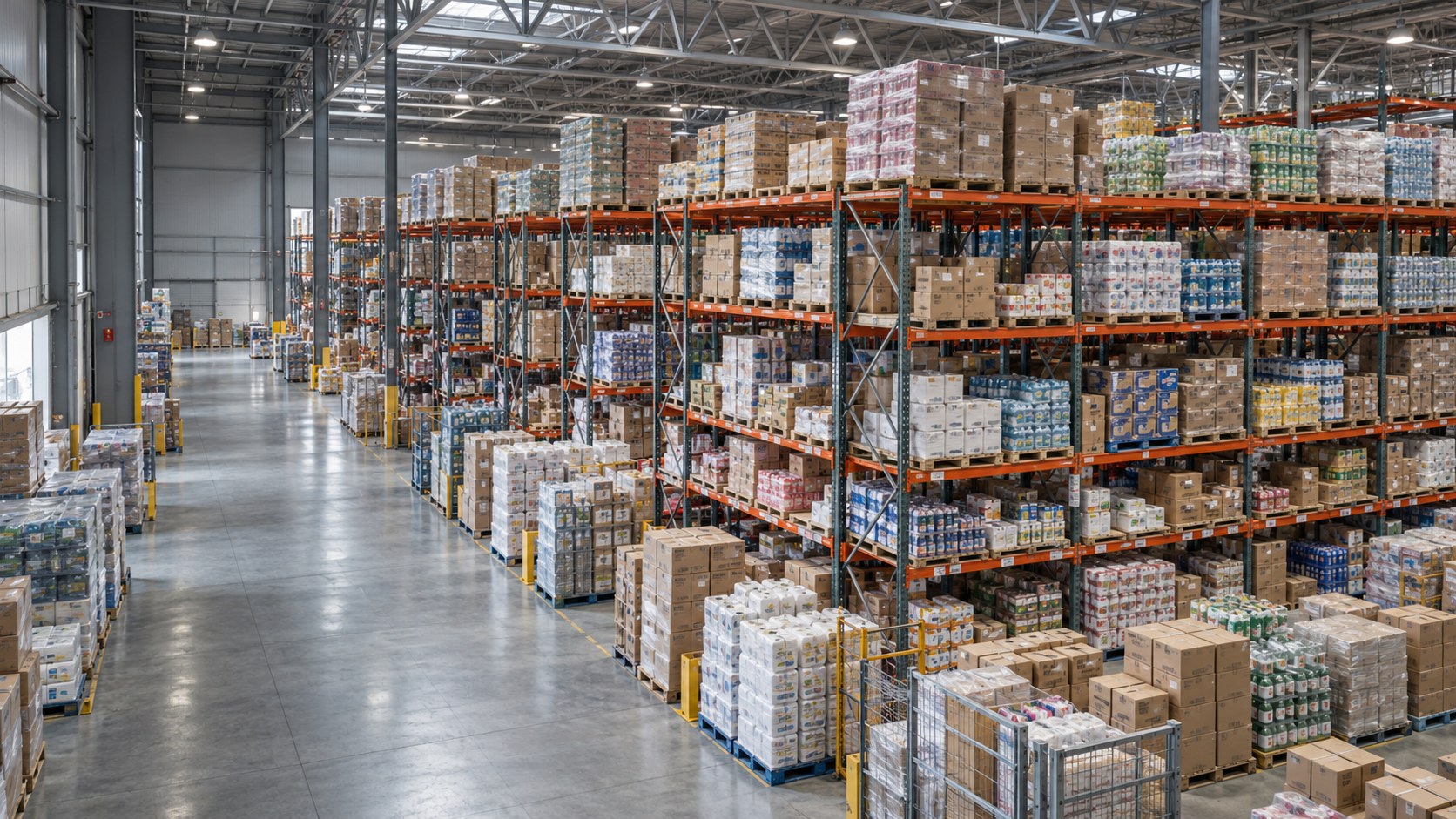
Stock damage at premises or during transit
Claims involving products you supply
Supplier, ordering-system or customer-payment disruption

IMPORTANT DISTINCTIONS

Keep the boundaries clear.

Freight terms, quality obligations, territories, product testing and traceability matter. Cover for stock damage does not establish liability or recall cover, and one supplier’s insurance does not automatically protect every trading party.
Does Products Liability pay to recall our goods?
Do not assume so. Third-party claims and withdrawal or recall expenses need their own wording review. Explain the potential recall process as well as the product itself.

BEFORE WE TALK

Bring the details.

  1. Product list, countries of origin and sales destinations
  2. Turnover, stock values, shipment frequency and trade terms
  3. Quality controls, recall process and storage arrangements

Talk through your business.

Tell us what you do, what is changing and what you would like to understand. We can help organise the questions and the information needed for a meaningful insurance discussion.

Speak to a broker