
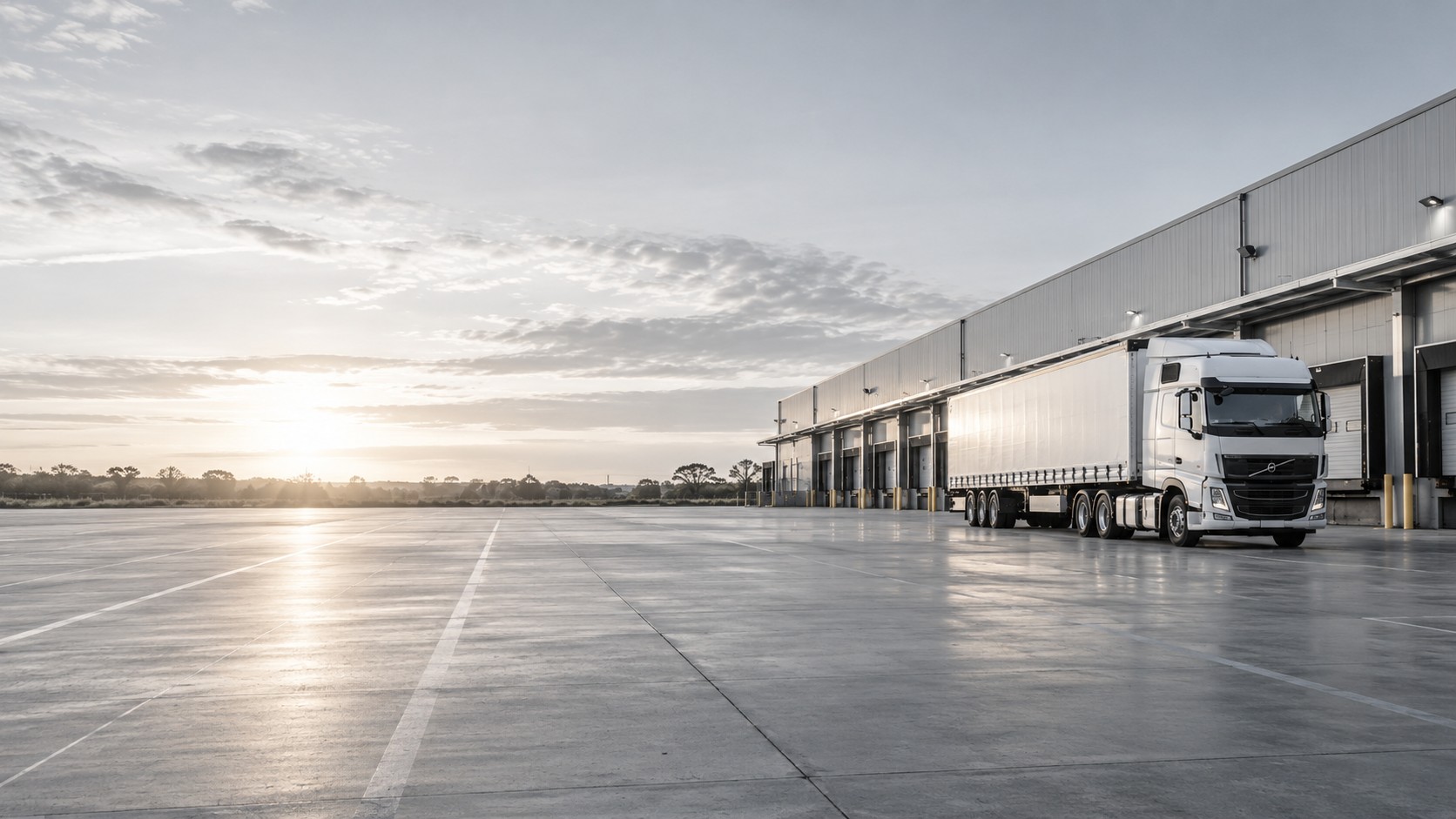
Vehicles and the goods carried
Commercial Motor addresses relevant vehicle risks. Cargo concerns goods and their movement. Do not assume a motor policy also insures the load, or that insuring your goods settles liability for customers’ goods.
A CLOSER LOOK AT YOUR INDUSTRY
Transport and logistics businesses can own vehicles, carry their own stock, move customers’ goods or store them for others. Each role creates a different starting point for insurance.
MAKING THE CONNECTIONS
Commercial Motor addresses relevant vehicle risks. Cargo concerns goods and their movement. Do not assume a motor policy also insures the load, or that insuring your goods settles liability for customers’ goods.
A carrier’s responsibility depends on its activities, contracts and applicable terms. Supply the trading conditions and identify subcontracted transport, loading, unloading and who controls the goods at each stage.
Storage can involve different obligations from carriage. Explain stock ownership, handling, temperature controls, security and release procedures. A warehousekeeper liability enquiry is distinct from the customer’s cargo insurance.
YOUR BUSINESS
Transport operators manage vehicles, drivers, customer goods and delivery commitments at the same time. Local deliveries, interstate haulage, refrigerated loads and subcontracted journeys can require different descriptions. Ownership of a truck does not tell the whole story about responsibility for the goods it carries.
Provide the fleet list, cargo types, routes, maximum load values and subcontracting arrangements. Commercial motor or fleet insurance, goods in transit and carrier-related liability should be considered separately. Loading, unloading, trailers and custody of goods need clarification. Delay, rejected deliveries and contractual penalties should not be assumed covered simply because the vehicle or cargo is insured.
A warehouse operator’s exposure starts with what is stored and whose goods they are. Handling, picking, packing, temperature control and dispatch create responsibilities beyond occupying a building. Stock levels may change sharply during busy periods, and one incident can affect goods belonging to several customers.
Describe storage methods, customer contracts, maximum values, security and any refrigerated or higher-hazard goods. Your own property, customers’ goods and legal liability for goods in your custody are distinct issues. Check whether loading, transfers and temporary storage are addressed. The building owner’s insurance is not a substitute for reviewing the operating business and its custody obligations.
A freight forwarder may arrange transport without physically carrying the goods, while a logistics business may also store, pack or deliver them. That distinction matters when a shipment is damaged, documents are incorrect or a customer challenges the agreed service. Responsibility can pass through several contractors and countries.
Map the services you perform directly and those arranged through others, together with trading conditions and cargo values. Cargo insurance, liability arising from forwarding services and your own business assets should not be treated as the same cover. Explain documentation and advisory work, contractual obligations and geographic reach so the need for specialist assessment can be identified without assuming every transit loss is your insured liability.
WHAT TO KEEP IN VIEW
IMPORTANT DISTINCTIONS
BEFORE WE TALK
Tell us what you do, what is changing and what you would like to understand. We can help organise the questions and the information needed for a meaningful insurance discussion.