01Builders
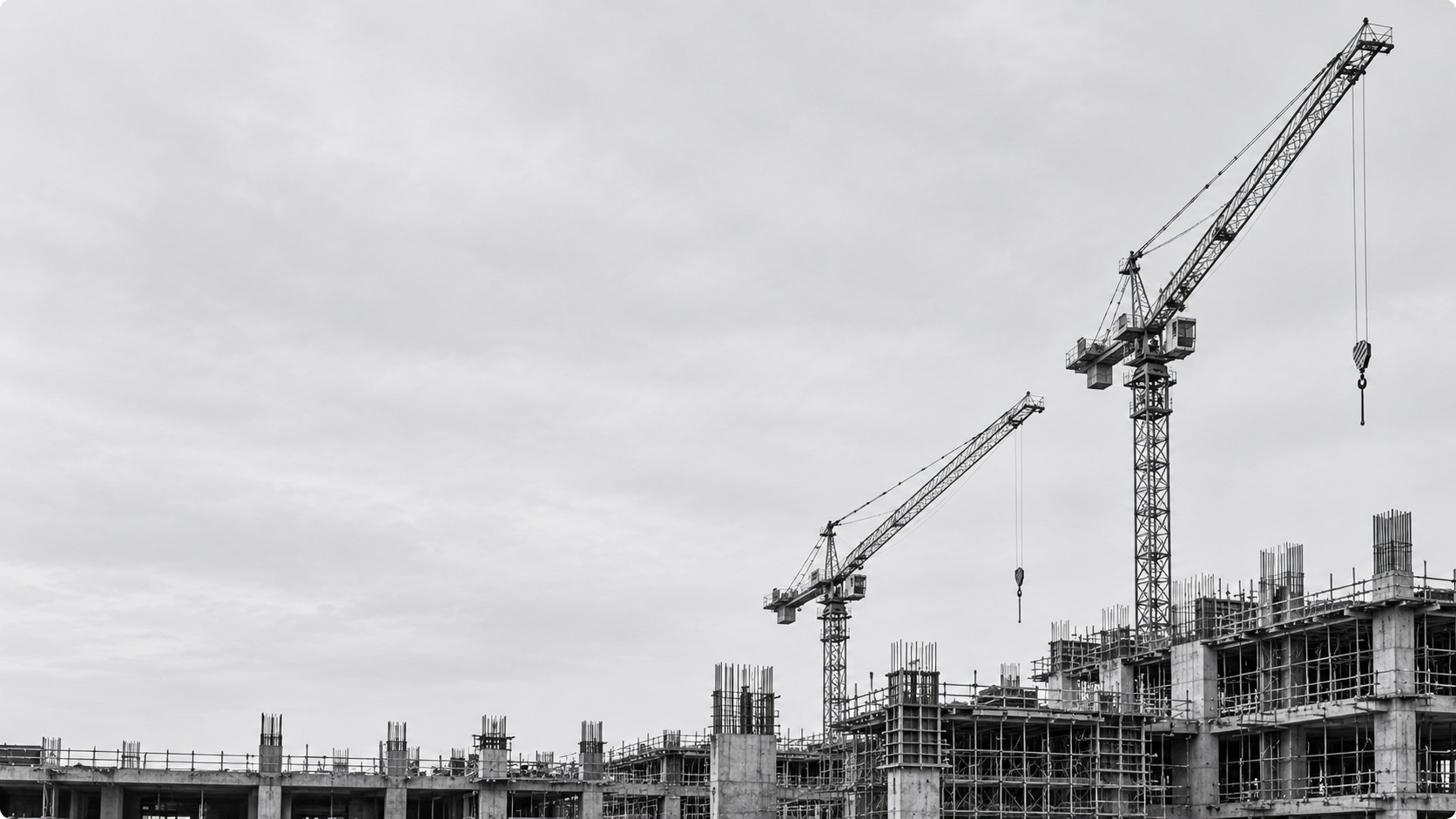
A building project is a moving set of responsibilities. Materials may arrive before work starts, subcontractors may share the site, and parts of a building may be handed over while other work continues. The insurance discussion should follow that sequence, including who is responsible for the works, existing structures and equipment at each stage.
Contract works, public liability and plant cover address different exposures. Design responsibilities may also call for professional indemnity review. Bring the building contract, project values, programme and subcontractor arrangements so the proposed cover can be checked against the job; a contract obligation is not automatically an insured obligation.
02Renovation & Fit-out
Renovation and fit-out work takes place around property that already exists, and sometimes around people who continue to use it. A water leak, hot-work incident or accidental damage to neighbouring premises can affect much more than the new fit-out. Access restrictions and work outside normal hours also change how a project is managed.
Tell us whether the premises remain occupied, who owns the existing structure and which services will be altered. Contract works and liability arrangements should distinguish the new work from existing property. Contents, hired equipment and any design or specification services should be identified separately rather than assumed to sit within one policy.
03Trade Contractors
For a trade contractor, the work description matters as much as the trade name. Installation, maintenance, repair, excavation and work at height can present different exposures, even within the same business. Tools may travel between vehicles, a workshop and customer sites, while hired plant creates another set of responsibilities.
A useful review starts with the tasks you actually perform, your largest contracts and any work you subcontract. Public liability is different from a promise to pay for correcting defective work. Tools, commercial vehicles, hired plant and advice or design services should each be considered against the relevant policy terms and declared activities.