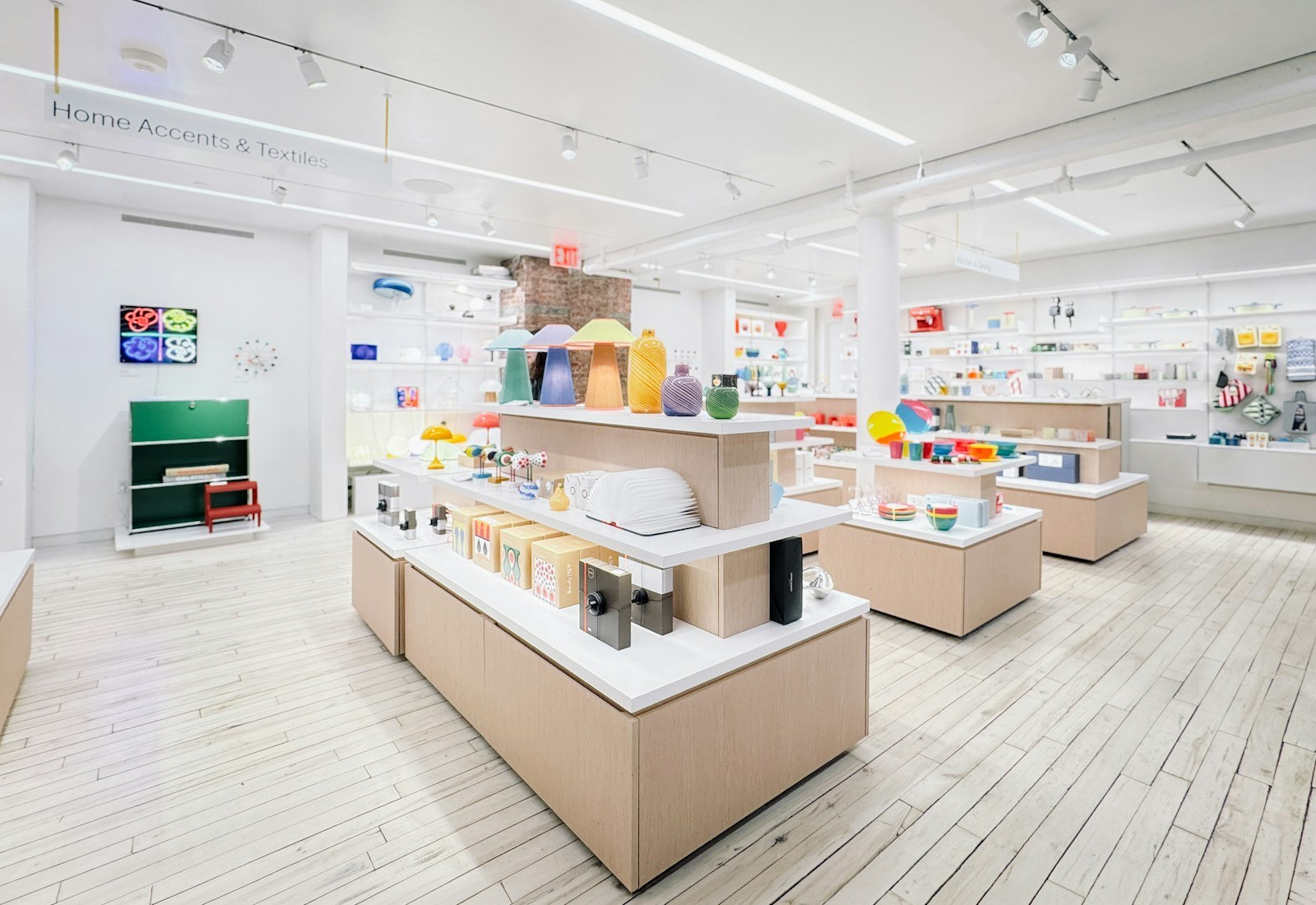
A shop may also be an online seller, service workshop or multi-site business. Start with the activities behind the shopfront: the goods sold, services performed and property entrusted to you.
YOUR BUSINESS
Every channel has its own questions
01
Retail Stores
A shop brings customers, stock, staff and premises together every day. Seasonal stock peaks, display changes, deliveries and work by contractors can alter the exposure without changing the name of the business. The financial effect of a damaged shop may continue after the immediate repair, especially if replacement stock or equipment takes time to obtain.
Start with the lease, fit-out and stock values, security, trading activities and reliance on particular equipment. A business pack may combine selected property and liability sections, but not every section is automatically included. Business interruption needs its own review of insured triggers, the basis of income calculations and the period allowed for recovery.
02
Multi-site Retail
Several stores create a network rather than a collection of identical addresses. Stock may move between branches, one warehouse may supply them all, and a single payment or ordering system may support every location. A problem at one shared point can therefore affect stores that have suffered no physical damage themselves.
Prepare a location schedule showing activities, stock peaks, fit-outs and shared dependencies. Check how property values, limits and deductibles apply across the locations, and whether transfers are addressed. Do not assume that business interruption at an undamaged branch is covered: the relevant triggers, dependencies and any extensions need to be examined explicitly.
03
E-commerce
An online shop still has a physical supply chain. Goods may be held at home, in a warehouse or by a fulfilment provider before delivery to customers. At the same time, the business relies on its website, payment processes and customer information. Selling online changes how these exposures connect; it does not remove product or stock risks.
Map where goods and data sit, who dispatches orders and which countries receive sales. Products liability, stock, transit and cyber insurance warrant separate consideration. Platform guarantees and fulfilment contracts are not substitutes for checking your own arrangements, and outages, refunds or fraudulent transactions should not be assumed covered without reviewing the relevant terms.
04
Pet-related Businesses
Pet businesses can combine retail with grooming, walking, training, boarding or day care. These activities involve different levels of contact with animals, their owners and the public. An escaped animal, an injury during handling or a complaint about advice raises a different question from damage to the shop’s own stock or equipment.
List the services, species handled, premises, transport arrangements and whether animals stay overnight. Public liability, professional services and responsibility for animals in your care need specific discussion; ordinary third-party liability wording may contain relevant custody exclusions. This review concerns the business’s exposures, not a promise of pet medical insurance for customers’ animals.
WHAT TO KEEP IN VIEW
The practical questions
Damage to premises, equipment or stock
Customer injury and products you supply
Bookings, digital systems and business interruption
MAKING THE CONNECTIONS
Look beyond the label
01
Premises, stock and customers
A Business Pack can bring selected business sections together. The selected sections still matter: premises damage, theft, liability and trading interruption are different questions. Seasonal stock and multiple locations should be identified.
02
Online orders and fulfilment
Online selling can involve platforms, payment systems, third-party warehousing and couriers. Cyber, Cargo and Products Liability each address different exposures; an online trading label does not combine them into one cover.
03
Pet and jewellery activities
Describe any pet-related services and animals in your care separately from retail sales. Jewellery stock can be discussed individually, without assuming ordinary stock limits are suitable. Automotive services now have their own Motor Trade guide.
RELATED INSURANCE
Explore the insurance questions
These are discussion paths, not a compulsory package. The selected cover and your circumstances need to be assessed.
Customer property in your care, animal-related activities, professional treatments and vehicle use can need particular attention. Describe them rather than relying on a broad retail classification.
Does a standard retail description cover all our services?
It may not describe the risk sufficiently. Include repairs, installations, grooming, boarding or other services so that their terms and any exclusions can be reviewed.
BEFORE WE TALK
Bring the details.
Locations, turnover split and online/offline activities
Stock peaks, security, customer property and delivery arrangements
Tell us what you do, what is changing and what you would like to understand. We can help organise the questions and the information needed for a meaningful insurance discussion.