01Light Manufacturing
Light manufacturing may involve cutting, shaping, assembly, finishing or testing, with output depending on a few key machines. The materials and processes matter more than the description light industrial. Heat, dust, chemicals, outsourced processes and reliance on one supplier can change the practical consequences of an incident.
Outline the production flow, machinery values, maintenance and time needed to replace a critical machine. Property, machinery breakdown, products liability and business interruption address different parts of the risk. Customer specifications, export markets and any design work should also be described, with particular care around performance guarantees and the cost of correcting the business’s own defective output.
02Food & Beverage Production
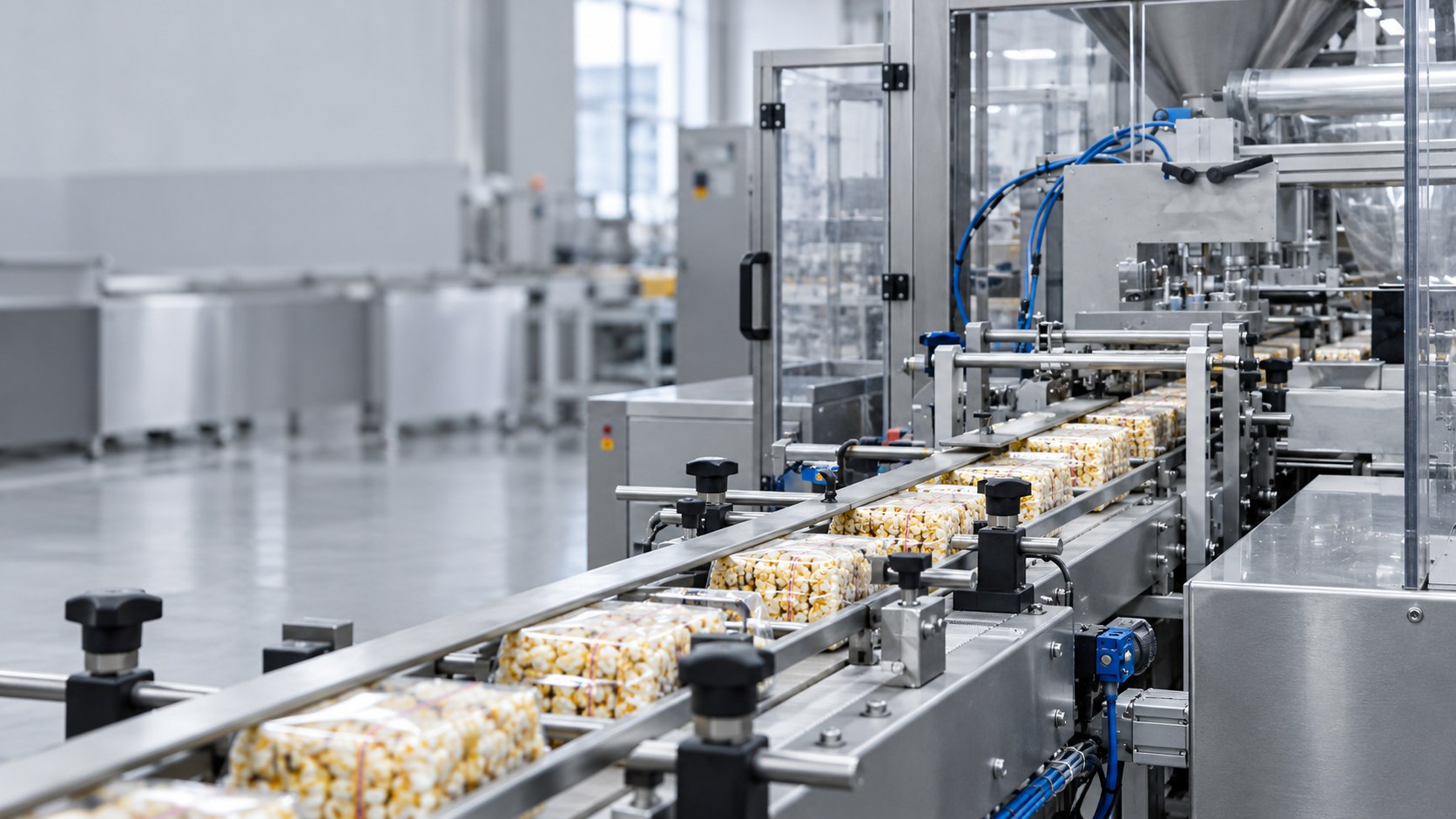
Food and beverage production turns ingredients into products that may be distributed well beyond the factory. Bottling, filling, packaging and temperature-controlled storage should be included in the description where relevant. Recipe changes, allergens, cleaning, packaging and temperature control are therefore connected to batch traceability. A production interruption can also create time-sensitive decisions about ingredients, work in progress and finished goods.
Explain what is made, how it is tested and stored, and where it is sold. Property and machinery exposures sit alongside products liability and a separate discussion of contamination or recall needs. Recall expenses, liability to customers and ordinary spoilage should not be treated as equivalent cover. Document supplier checks, batch records and the practical steps for isolating affected stock.
03Packaging & Assembly
Packaging and assembly businesses may work on materials or components owned by customers. A labelling error, incorrect assembly or damage during handling can affect a customer’s next production stage. Whether the business also designs packaging or selects materials changes the questions that should be asked.
Identify who owns goods at each stage, the work performed and how completed work is checked. Property belonging to others, products liability, machinery and any design advice need separate review. Contractual penalties, reworking costs and lost production are not automatically insured. Customer agreements, quality-control procedures and maximum values held on site help make the discussion concrete.